
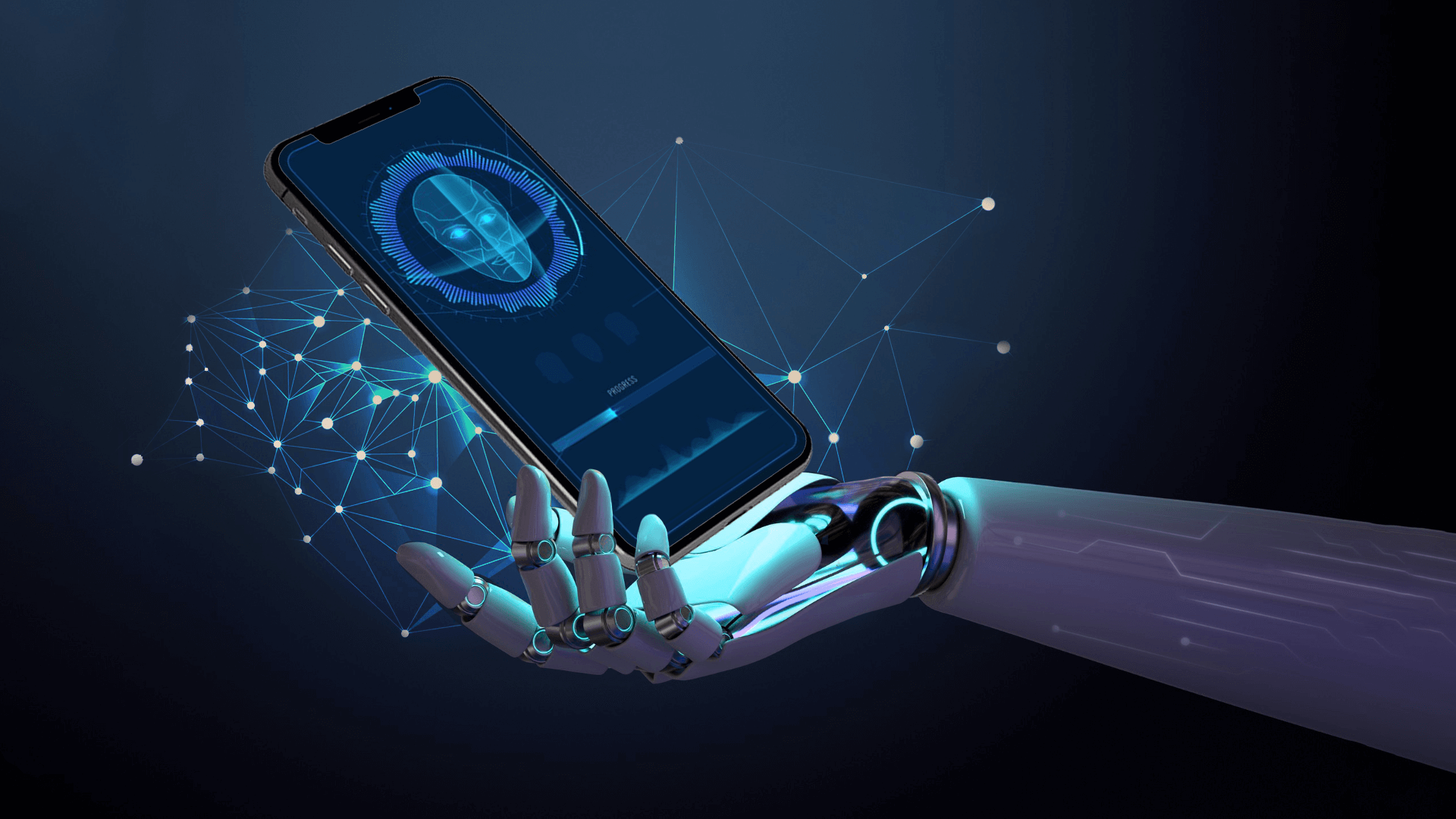
Chicago companies are rethinking how they build apps in 2026. From AI-driven features to industry-specific tools for healthcare and telecom, mobile application development Chicago teams are shifting toward faster, smarter, cross-platform builds.
Whether you run a retail store, a clinic, or a logistics company, the app market is moving quickly. Below are seven trends shaping Chicago mobile app development right now, plus what each one means for your next project. At IBWD Computer Services, we help local businesses turn these trends into working apps that customers actually use.
Explore here. Mobile App Development Chicago: Building Apps That Drive Business Growth
The Chicago App Market at a Glance
Local competition looks different than it did five years ago. Customers now expect an app before they’ll trust a business with repeat visits, especially in retail, food service, and healthcare. That expectation puts pressure on smaller companies to build something polished, not just functional.
- Customer expectations for app quality have risen sharply
- Budgets remain tight for small and mid-sized businesses
- Speed to launch now matters as much as polish
Understanding where the market is headed helps avoid wasted spend on outdated approaches. The next seven sections break down exactly what’s changing and why it matters for your next project.
Ready to talk through your app idea? Call 847-658-2959 or email sales@ibwd.com for a free consultation — no pressure, just answers.
1. AI Features Are Now Standard, Not Optional
Users expect smart search, chat support, and personalized recommendations inside apps. Companies offering Mobile App development Chicago clients now build AI into the core product instead of adding it later. This shift changes how apps are planned from the first wireframe.
- Chatbots that handle common questions without staff involvement
- Predictive suggestions based on user behavior
- Voice search built directly into navigation
Ready to build a patient app that actually gets used? Request a free consultation and we’ll map out your project timeline and cost.
2. iOS Still Leads for Premium and B2B Apps
Many Chicago businesses targeting professionals or higher-income customers still lean on Apple’s ecosystem first. Working with an Ios App development company Chicago business owners can rely on bringing faster App Store approval and tighter security controls. This matters for apps handling payments or sensitive data.
3. Android Continues to Win on Reach
An Android holds a larger share of the local market, especially for apps built for wide public use. Android App Development Chicago projects tend to launch on more devices at once, which helps businesses reach a broader mix of customers across the city and suburbs. Because Android supports flexible hardware, it also fits well for apps tied to point-of-sale systems or custom equipment.
Separately, many local retailers are also asking for Android Mobile App development Chicago builds that support offline mode, since spotty signals in some neighborhoods can otherwise break checkout flows.
Know More About It – iOS vs Android App Development: What Should Chicago Businesses Choose?
4. Cross-Platform Frameworks Are Cutting Costs
Building two separate native apps used to double the budget. Now, teams offering Chicago react development work more often, since one codebase can power both iOS and Android with minor adjustments. This keeps timelines shorter and maintenance simpler for smaller businesses.
A React Development Chicago approach also makes future updates faster, because changes only need to happen once instead of twice across separate codebases.
5. Ionic Is Growing for Budget-Conscious Projects
Startups and small businesses with tighter budgets are turning to web-based frameworks that still feel native. An ionic development company Chicago owners trust can deliver a working app faster, since Ionic reuses web skills instead of requiring separate native development teams. This won’t fit every use case, but it works well for content-driven or form-heavy apps.
A local nonprofit or membership organization, for example, often just needs event sign-ups, a directory, and push notifications. Paying for a fully native build in that case rarely makes sense. Ionic lets these groups launch something functional within weeks instead of months, freeing up budget for marketing or staff instead of extended development cycles.
6. Mobile Application Development Chicago Is Going Industry-Specific
General-purpose apps are giving way to tools built around one industry’s exact workflow. This is one of the clearest shifts in mobile application development Chicago right now, and it shows up across healthcare, logistics, and communications sectors.
- Telecom companies want apps that track usage and billing in real time
- Healthcare providers need scheduling tied directly to patient records
- Logistics firms need live tracking built into the customer-facing app
A Telecom App Development Company partner, for example, has to account for network-switching logic and data caps that a general retail app never touches. That level of detail only comes from building for one industry at a time.
7. Healthcare Apps Are Under Tighter Compliance Rules
Medical and pharmacy apps carry higher stakes than most other categories, since patient data and regulatory rules are involved from day one. A Pharmaceutical App Development Company has to build with HIPAA compliance in mind from the first line of code, not as an afterthought near launch.
Mobile Medical App Development projects also tend to need longer testing cycles, since features like medication reminders or symptom trackers carry real consequences if they fail. Google’s own developer guidelines on sensitive data handling, along with Google Search Central’s content standards, both point in the same direction: user trust depends on getting the technical details right the first time.
Our Service Locations – Where We Serve
Our team supports businesses across the Chicago area and beyond, including Evanston, Naperville, Schaumburg, Aurora, Arlington Heights, Hampshire, Milwaukee, and Detroit,, along with Chicago itself.
- Local support means faster response times for updates and fixes
- On-site consultations are available for businesses closer to our service area
- Remote support covers clients further out, including Milwaukee and Detroit
- Ongoing maintenance and updates are handled the same way regardless of location
No matter where your business sits on that list, the same process applies: a clear plan, a working prototype, and an app built around how your customers actually use their phones. Distance doesn’t change the quality of support, since most planning and design work happens through video calls and shared documents anyway.
Not sure which framework fits your business? Call 847-658-2959, email us on sales@ibwd.com, or fill out our online contact form to get a free consultation this week.
Frequently Asked Questions
1 How much does a mobile app cost in Chicago?
Costs vary by platform and features, typically ranging from a few thousand dollars for simple apps to much more for complex, industry-specific builds.
2 Should I build for iOS, Android, or both?
It depends on your audience. B2B and premium apps often start with iOS, while apps needing wide reach usually start with Android or both.
3 How long does app development take?
Simple apps can launch in 6-8 weeks. Complex apps with compliance needs, like healthcare tools, often take three months or more.
4 Is React Native good for small business apps?
Yes, it works well for small businesses needing one app that runs on both platforms without doubling development costs.
5 Do you support businesses outside Chicago city limits?
Yes, we serve Evanston, Naperville, Schaumburg, Aurora, Arlington Heights, Hampshire, Milwaukee, and Detroit in addition to Chicago.
Final Thoughts
App development in Chicago has moved well past simply picking iOS or Android. The seven trends above, from AI features to industry-specific compliance needs, all point toward one thing: apps built with a clear purpose outperform generic ones. Businesses that plan around these shifts now will have an easier time scaling later.
IBWD Computer Services will walk you through the entire process — from planning to launch — with full HIPAA compliance built in from day one. Call 847-658-2959 for a free consultation and a clear timeline and cost estimate before you commit to anything.
